
I stumbled on a podcast with MetaDoc—a medical doctor who’s spent years in esports performance and accelerated learning. He’s got that unusual mix of clinic-level physiology and neuroscience, and hours in the aim lab, which probably explains why players listen to him. He didn’t just talk theory; he’s helped formalize how aim coaching works and pushed multiple pro players past plateaus.
Below are the 10 takeaways he shares for learning faster and sharpening aim.
1) Start with the body
Sleep 7–9 hours each night, hydrate before you start training, and add a small bout of easy movement right after practice—think a short walk, light bike, or a few mobility drills. A quick 15–20 minute nap can play the same role. These post-session habits may nudge consolidation, so skills feel like they “stick” a bit better. It’s not a miracle lever, just a low-effort edge.
2) Find your practice window
Most players land somewhere around 2–3 hours a day, split into focused blocks, but the useful number is the one your own data supports. Start a simple log with start/stop times and a quick “felt sharp?” note, then adjust. When focus drops, crosshair control gets sloppy, or irritation creeps in, that usually means your return on effort is dropping. Better to stop a little early than grind your mechanics into the ground.
3) Be okay with being bad (briefly)
Think of every mistake as information rather than a verdict. If a flick goes wide, record it, write a one-line why, and apply a specific fix on the next attempt. That cycle—error, hypothesis, adjustment—seems to keep you more motivated than generic pep talks.
4) Set goals you can actually do
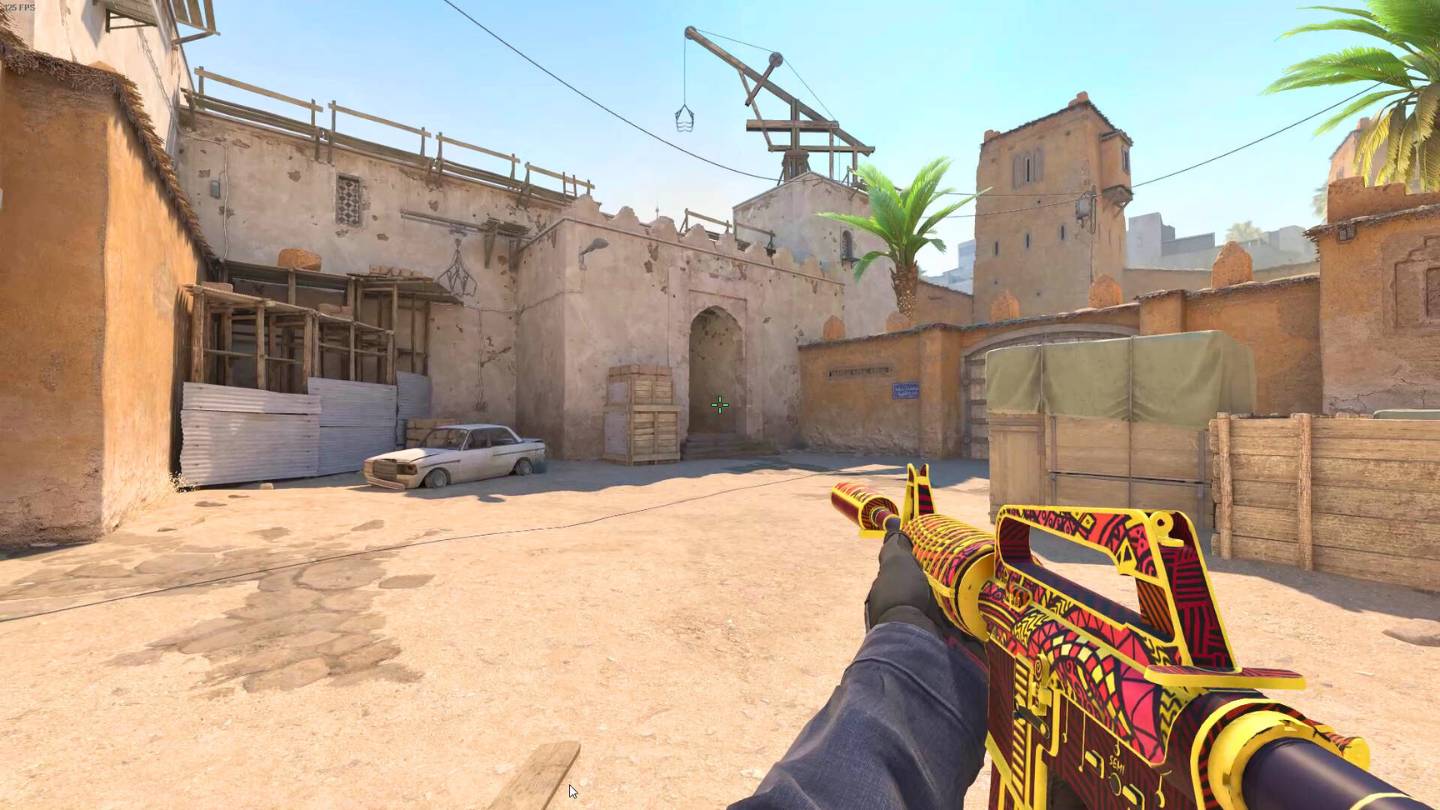
Make goals behavior-first and time-boxed: for example, four days a week of 90 minutes split between tracking drills, a short VOD review, and ranked with one focus cue like “pre-aim head level.” Track only a few numbers that matter—headshot rate, time-to-first-shot, and one decision error per VOD. Too many metrics and you’ll stop looking at any of them.
5) Narrow your skill tree (for now)
Pick one or two aspects of your aim and sit with them long enough for mechanics to feel automatic.. Specializing frees up mental bandwidth for timing, positioning, and decision making. You will be less flexible for a bit; that trade-off is usually worth it early on.
6) Emulate before you remix
Observe a single pro for a week. Watch at 0.75× speed, pause at each commit point, and copy their crosshair placement, pre-aim angles, and peek timing. You’ll start to see the reasoning behind the choices, which makes later “innovation” less random. Sens and gear can be borrowed as a baseline, but hand size and pad friction differ, so plan to nudge settings toward what actually feels comfortable for yourself .
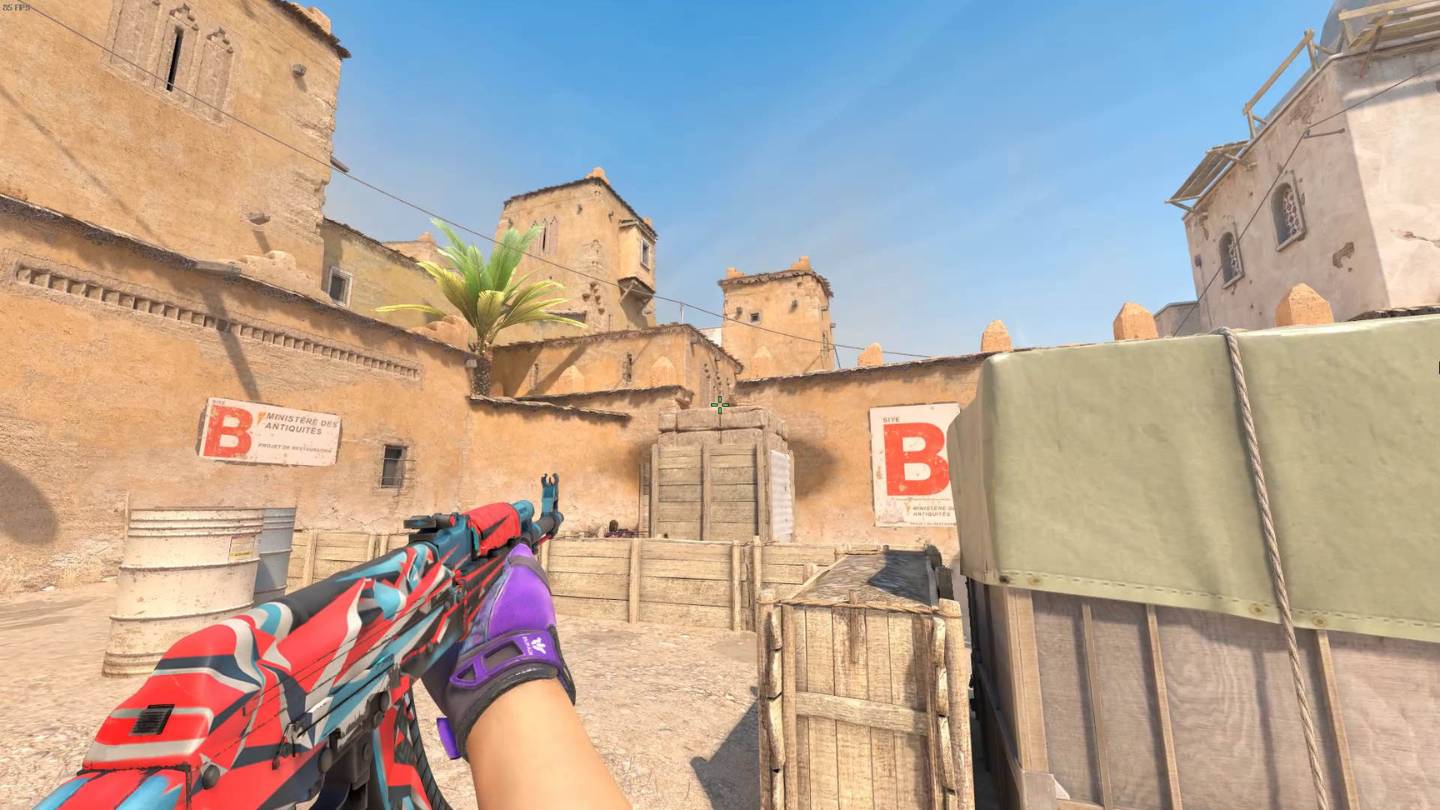
7) Stay in the “Goldilocks” zone
Aim for a drill success rate around 70–85%. If you’re breezing through, shrink targets or speed things up; if you’re drowning, scale back until you can focus without panicking. The sweet spot usually feels like, “I can do this if I pay attention,” not “I have no shot.”
8) Mix skills on purpose (interleaving)
Rotate between tracking, click-timing, and target-switching within the same session. It feels tougher than blocking one skill for 30 minutes straight, which is partly the point—your brain has to pick the right tool under mild pressure. That difficulty bump may translate better to real matches, where the problem changes moment to moment.
9) Space out your training
If your schedule allows, split training into two blocks—perhaps a longer one late morning and a shorter one early evening. If life is busy, three 25-minute blocks still beat a single foggy marathon. Spacing plus sleep likely buys you more retention than tacking on another tired hour.
10) Train with a partner (when you can)
A steady duo keeps you honest and speeds up feedback. Do a tiny debrief after each set—one thing that worked, one tweak for the next session—and move on. Pick someone who cares about improvement more than scoreboard flexing; comparison stress sneaks in fast and muddies the signal.