Let’s be honest: when Counter-Strike first dropped, no one looked at it and thought, “Yes, this will become the Wall Street of video games.” It was gritty, no-frills, all aim-no-fluff tactical shooter.
Fast forward a few years, and suddenly you’ve got teenagers trading virtual knives worth more than your rent. Welcome to the world of CS skins – where pixels have price tags and the economy is somehow more chaotic than actual crypto.
So how did this even happen? How did CS take some paint on a gun and turn it into an entire black market of flexing and gambling? Let’s break it down.
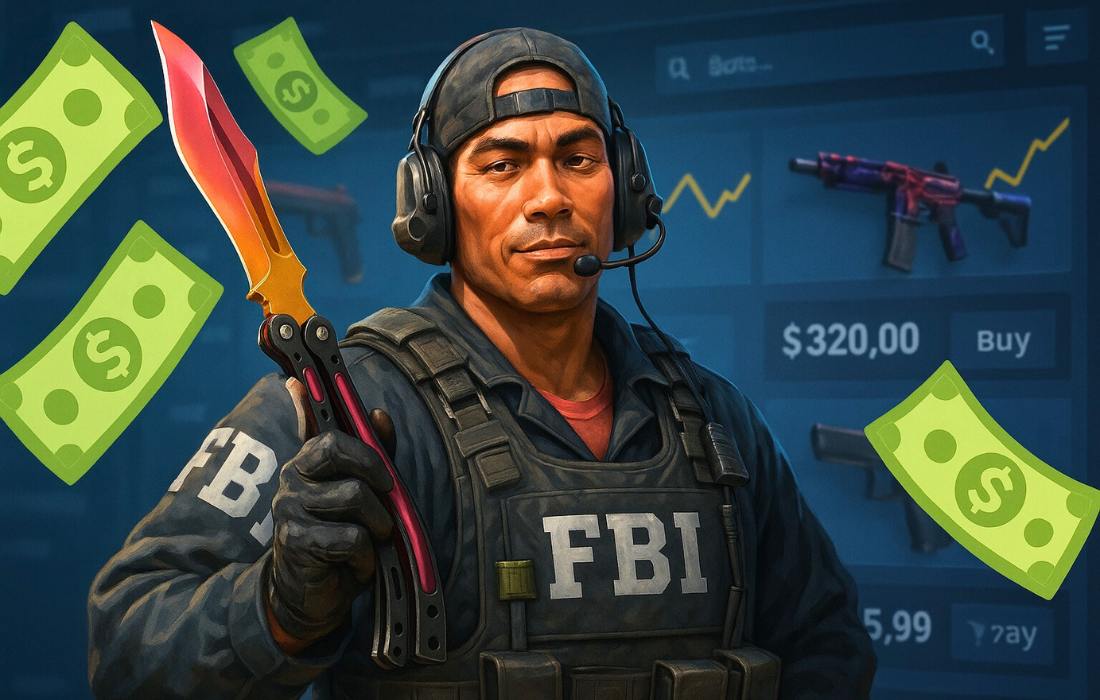
Supply, Demand, and a Shiny Butterfly Knife
Valve didn’t invent cosmetic items, but they did perfect the system that gave them real-world value. The genius behind CS:GO’s skin economy is scarcity. Skins have rarity levels, float values (think wear-and-tear), and sometimes even factory-new status that makes collectors drool. It’s the same psychology behind trading cards or sneakers, just with more gunmetal and fewer sneakerheads.
Add in the Steam Marketplace – Valve’s little digital trading floor – and suddenly you’ve got an entire economy driven by aesthetics and the occasional impulse to own a karambit that looks like a tiger sneezed on it.
Flex Culture Meets Economic Illusion
Let’s be clear: CS skins do nothing to your gameplay. You won’t aim better with a Dragon Lore. But you will feel cooler. And more importantly, your enemies will know you’re cooler. Or at least financially irresponsible.
That social value—combined with limited drops, tradability, and some classic gambling mechanics (looking at you, weapon cases)—created a sense of status. People don’t just buy skins. They invest in them. They flip them. They obsess over their market value like it’s a startup IPO.
It’s digital clout, but somehow legitimized by market logic.
Compared to Other Games? It’s Wild
Sure, other games have currencies. Fortnite has vBucks. (Yes, we’re saying it: cheap vBucks exist, but good luck buying a flaming, one-of-a-kind pickaxe and selling it on a secondary market.) Most games keep their cosmetics tightly locked down, non-transferable, and safe from the Wild West of online trade.
But CS? Valve said, “Nah, let’s lean in.” You can sell your skins. Trade them. Use them as bargaining chips. There’s a whole underground network of traders, bots, spreadsheets, and forums dedicated to this madness. No other shooter really embraced capitalism with quite the same vibe as CS:GO – a tactical shooter wrapped in an unregulated auction house.
Skins As Culture, Not Just Cosmetics
Skins have become part of CS’s identity. Players remember their first drop. The community reacts to new case releases like sneakerheads at a Nike drop. Tournaments feature analysts literally discussing loadouts. It’s fashion week – but for people who teabag after headshots.
Valve didn’t just give players cosmetic items. They gave them assets. And when the idea of digital ownership meets competitive gaming? Boom – virtual economy. Skins aren’t just about flexing anymore; they’re collectibles, investments, badges of honor… and occasionally, tax write-offs (probably).
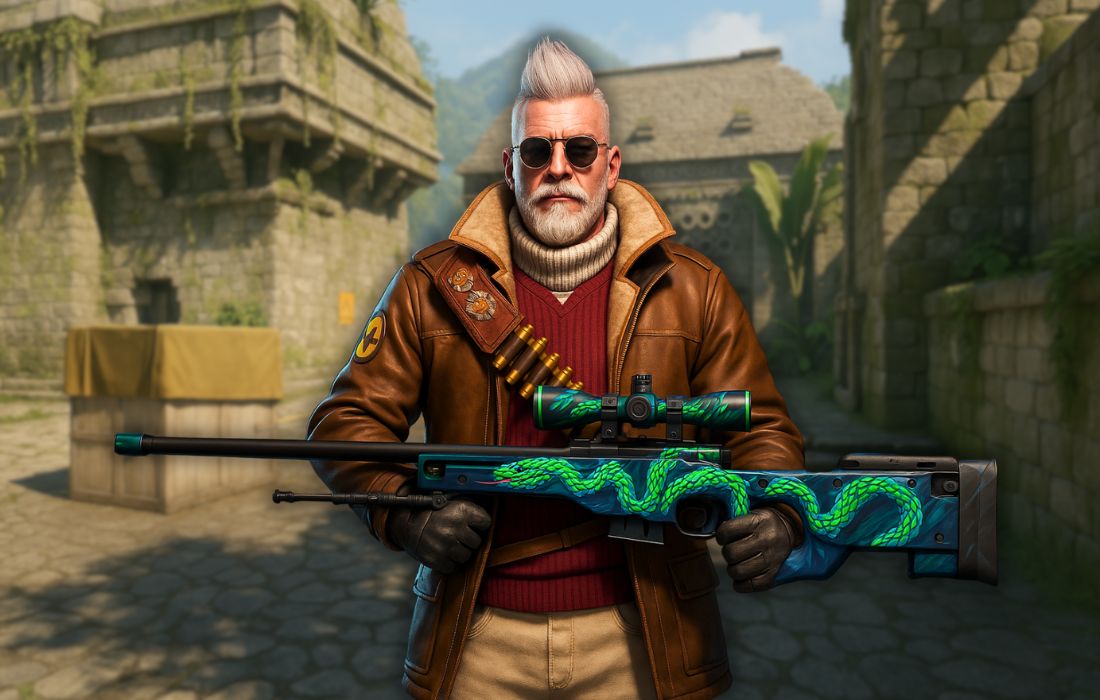
So next time someone scoffs at your flashy AWP skin, remind them they’re not looking at a cosmetic. They’re looking at liquid clout, traded daily in one of gaming’s weirdest, most functional economies. Just don’t ask how much it’s worth now – you’ll either cry or log in. Probably both.