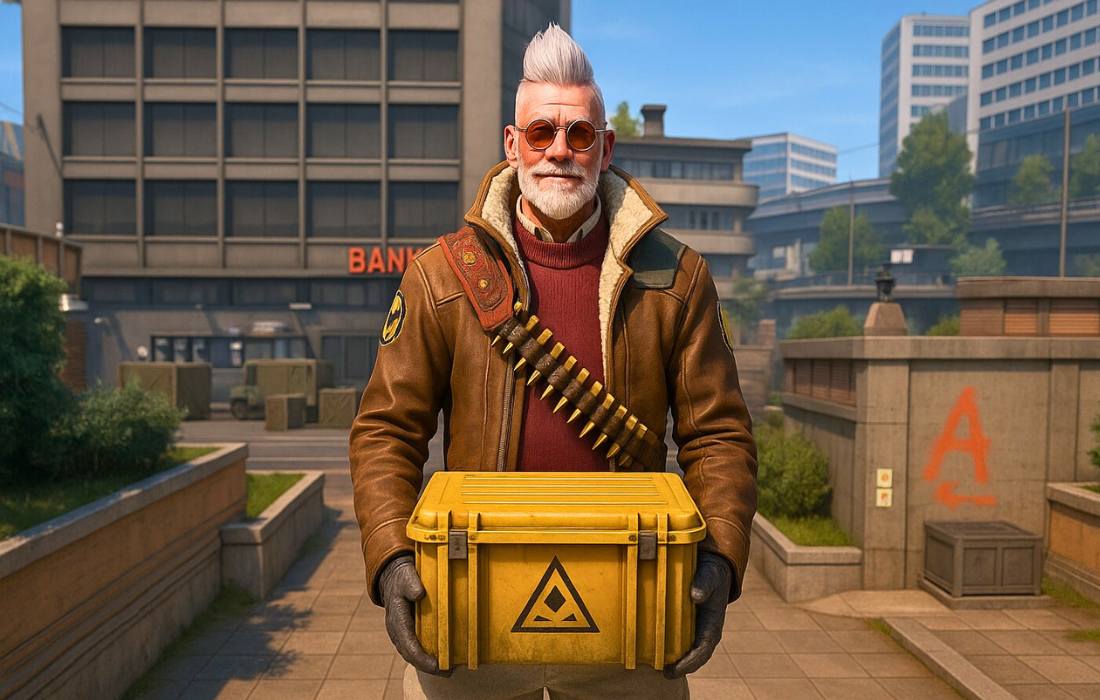
When Counter-Strike was first released in 1999, it quickly became a pillar of competitive gaming. However, as the game evolved, so did its economy, particularly with the introduction of skins and microtransactions. Though skins themselves don’t affect gameplay, their presence has created an entirely new layer in Counter-Strike, raising questions about their impact on the game’s competitive integrity.
Skins in the Original Counter-Strike
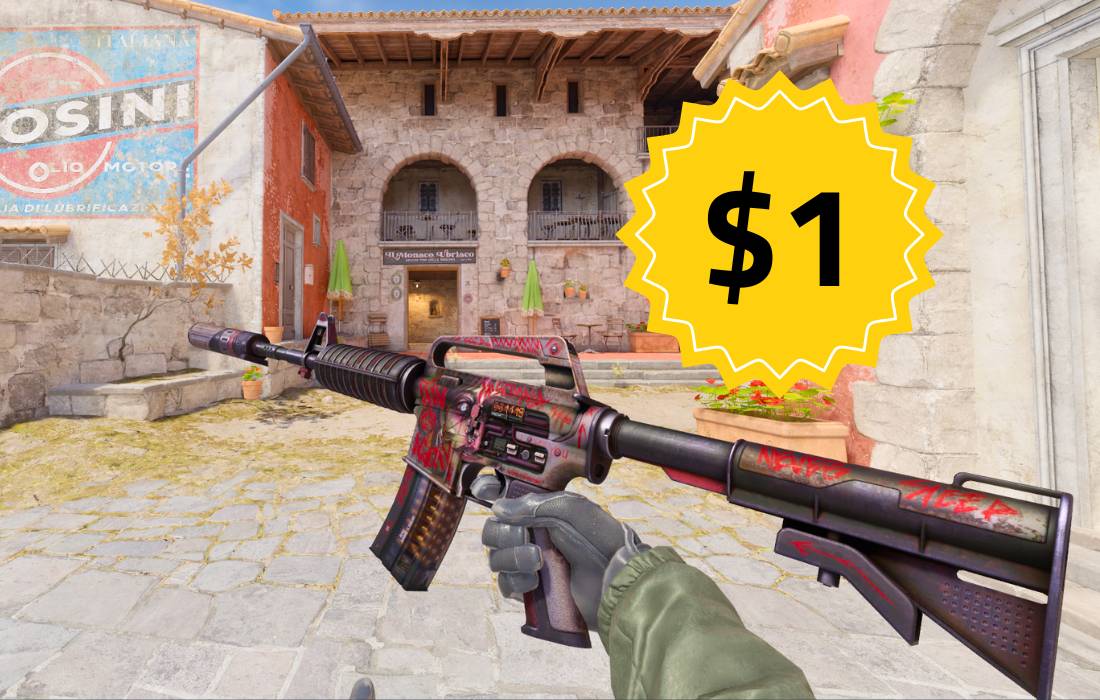
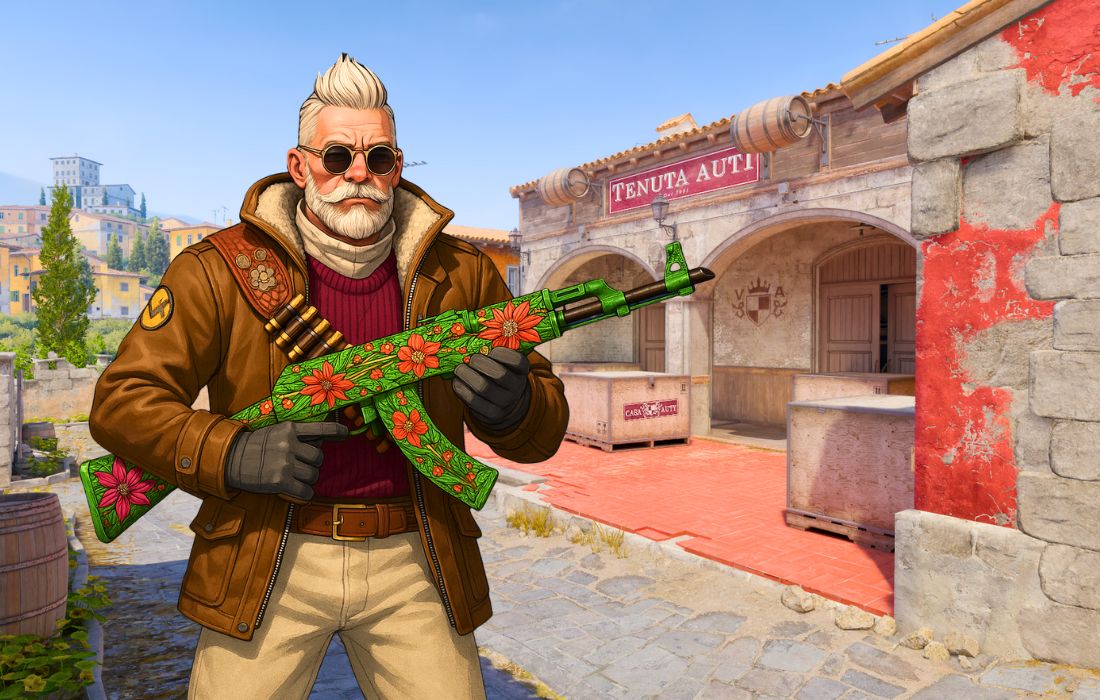
In the early days of Counter-Strike, skins were purely cosmetic. Players could download custom models or texture packs to change the appearance of weapons and characters, but these skins didn’t influence the outcome of a match. The introduction of official skins in later updates added more variety, and players soon began spending real money to purchase or trade these skins, creating a separate market from the core game itself.
While skins remained cosmetic, their increasing popularity brought them to the forefront of Counter-Strike culture. Over time, skins became more than just a fun addition; instead, they turned into status symbols. Some players were more focused on collecting rare skins than on improving their skills. As the skin market grew, so did the role of microtransactions.
Microtransactions and Their Influence
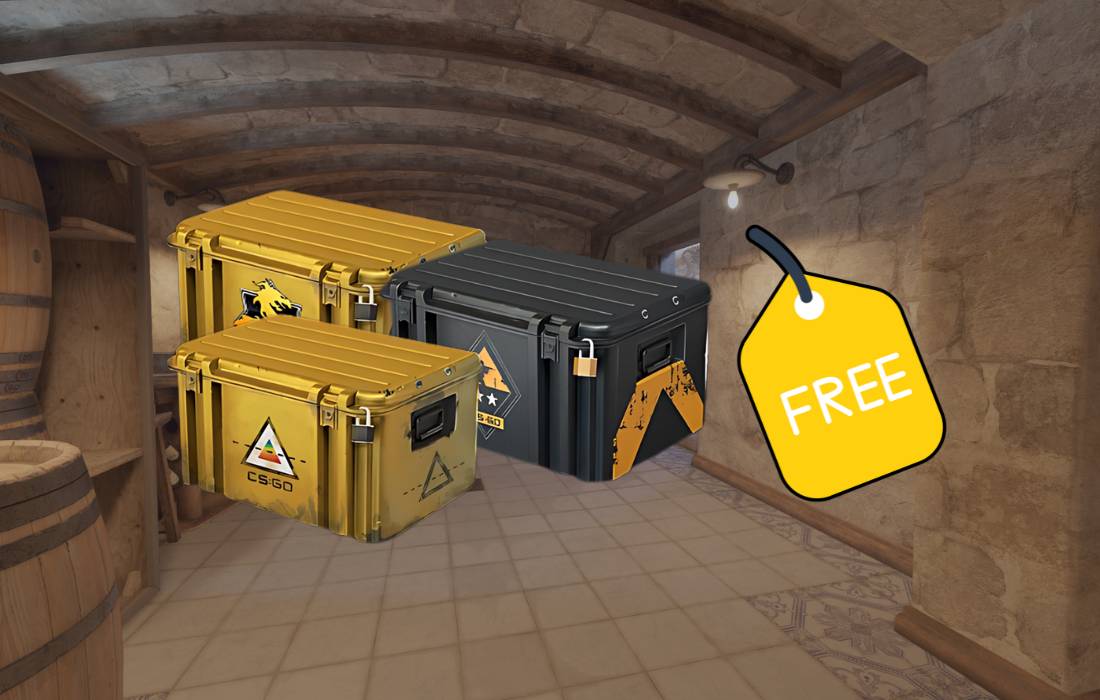
As Counter-Strike’s player base expanded, the market for skins became more robust. With the rise of the Steam Marketplace, players could easily buy and sell skins, and Valve made it simpler to fund these transactions through microtransactions. Players could use a prepaid PayPal, MasterCard, or e-Visa gift card to easily add funds to their Steam wallet for their purchases of skins, cases, and keys.
Although skins had no effect on gameplay, the growing importance of these cosmetic items in Counter-Strike was hard to ignore. While casual players enjoyed collecting rare skins, the competitive community remained focused on the game’s core mechanics: strategy, teamwork, and skill. But with the added economic element, some players began to prioritize their skin collection over mastering the game itself.
Enter Skin Gambling
The skin economy in Counter-Strike didn’t stop at collecting and trading. Skin gambling soon became a significant concern. Third-party websites allowed players to bet their skins, adding an element of chance to the mix. This created a gambling environment that many felt detracted from the competitive nature of the game. Though skin gambling wasn’t officially supported by Valve, it flourished due to the game’s microtransaction system.
This shift in focus sparked debate within the community about whether Counter-Strike was still about skill or was now a game centered on monetary investment.
Competitive Integrity: A Delicate Balance
Despite the rise of microtransactions, Valve has worked to maintain Counter-Strike’s competitive integrity. The introduction of skins did not change the core gameplay, but the growing emphasis on the skin economy has created a divide. While skins remained cosmetic, they became an essential part of the Counter-Strike experience for many players, especially casual ones who didn’t engage as deeply with competitive play.
The challenge for Counter-Strike is maintaining a balance between the skin economy and the core competitive gameplay. While skins are a fun addition for players who want to customize their experience, the focus should remain on skill, strategy, and teamwork. For Counter-Strike to retain its competitive integrity, the game must resist becoming overly commercialized, where money—whether through skins or gambling—becomes more important than skill.
Conclusion
Skins and microtransactions have undeniably changed the landscape of Counter-Strike, but they haven’t ruined the game—yet. The balance between cosmetic customization and competitive integrity is delicate. As long as skins remain purely cosmetic and don’t interfere with gameplay, Counter-Strike can continue to thrive as a competitive game. However, the growing use of payment methods like the e-Visa gift card to fund these purchases adds a layer of complexity that could overshadow the game’s core appeal. If Valve can maintain that balance, Counter-Strike will stay true to its roots while still allowing players to enjoy the expanding skin economy.