
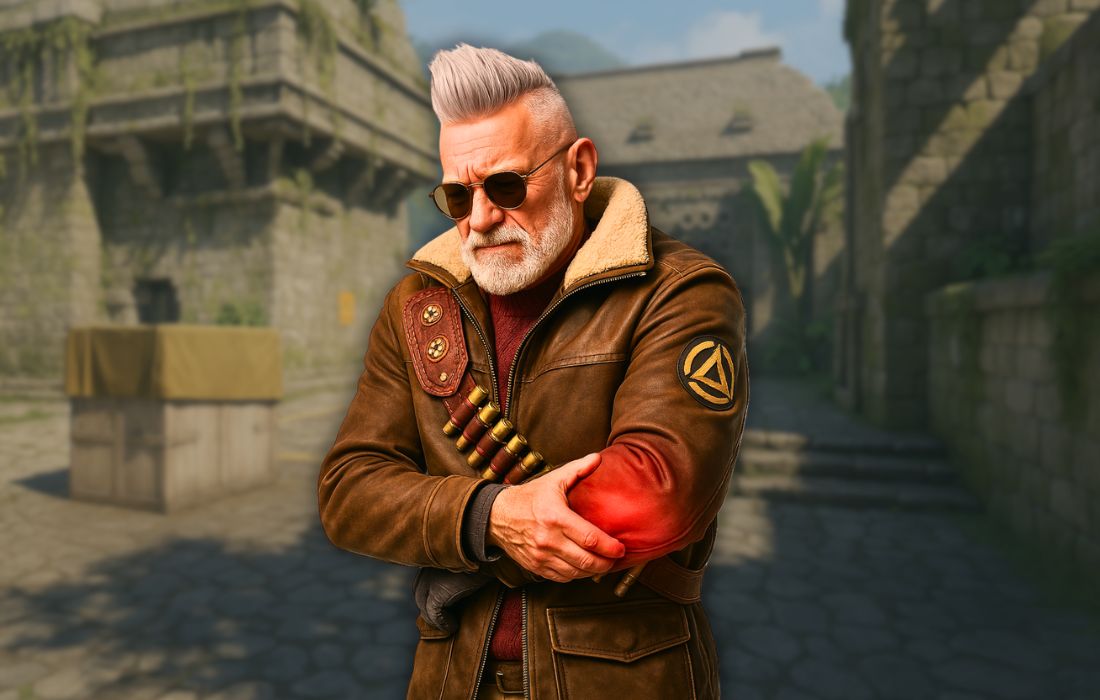
What is Gamer’s Elbow
Have you ever noticed a nagging pain on the outside of your elbow after a long gaming session? If so, you might be dealing with gamer’s elbow — a common injury that can sneak up on even the most dedicated players. It happens because of all those tiny, repeated movements you make while gaming — clicking, gripping and moving the mouse, or clicking the keyboard.
Even though a lot of people think gamer’s elbow is caused by inflammation, it’s actually something called tendinopathy. T endinopathy means the tendon fibers start to weaken over time. Think of it like a frayed rope – it still works, but it’s not as strong or efficient as it should be.
Symptoms: What Does Gamer’s Elbow Feel Like?
So how do you know if you’ve got gamer’s elbow? The most common sign is pain right on the outside of your elbow — the bony bit near where your forearm starts. That ache might even travel down your arm a little.
Here are some symptoms to be aware of:
Weaker grip strength
You might start to notice that holding onto things — a mug, a controller, or even a shopping bag — feels a bit off. It’s not that you suddenly can’t hold anything, but there’s a subtle weakness, like your hand just doesn’t have the same “bite” it used to.
Pain with wrist movements
Actions like bending your wrist backward — say, pushing open a door or lifting a lightweight object — can trigger a sharp or nagging discomfort on the outer part of your elbow. It might not stop you in your tracks, but it’s enough to make you wince or avoid certain movements.
Morning or resting stiffness
Your elbow can feel unusually stiff when you first get up or after sitting at your desk for a while. It’s that “rusty hinge” feeling — like your joint needs a moment to loosen up before it moves freely again.
Trouble with daily tasks
Simple things like turning a doorknob, shaking someone’s hand, or even twisting a jar lid can suddenly feel awkward or uncomfortable. It’s not just pain — it’s a sense that your arm isn’t cooperating the way it should.
Why Does Gamer’s Elbow Happen?
Gamer’s elbow isn’t caused by one single action. It’s more like a slow build-up of strain over time. Every time you click a mouse, grip your controller, or move your wrist just slightly — you’re using the muscles and tendons on the outside of your forearm. Do that for hours without breaks, and those tendons can start to wear down.
Here’s what tends to contribute gamer’s elbow:
Repetitive strain
Think about how often you click your mouse, tap keys, or move your wrist during a gaming session. Now multiply that by hours, days, weeks. Those small, repeated movements might not seem intense at first, but over time, they add up. It’s like bending a paperclip — it doesn’t break on the first try, but eventually, the constant stress wears it down.
Poor posture
If your arm is constantly reaching too far forward, or your wrist is bent upward or sideways for long periods, the muscles and tendons are forced to work harder just to maintain that awkward position. Imagine holding your arm slightly out to the side for hours — it won’t feel bad right away, but give it time and things start to ache.
Muscle imbalances
Most gamers have stong grip muscles from constant mouse control and key pressing. But the opposing muscles — the ones that extend your fingers and wrist — often get neglected. Over time, that imbalance can pull your joints out of alignment, putting extra strain on the outer part of your elbow.
Lack of breaks
Gaming sessions that stretch on for hours without standing up, moving around, or giving your hands a rest? That’s a recipe for tendon fatigue. Without short, regular pauses to reset, even the strongest forearm can start to feel worn out and tight.
Ignoring early warning signs
A little elbow soreness that goes away after a day might not seem like a big deal. But if that ache keeps coming back — or starts lasting longer — it’s your body waving a red flag. Pushing through it just delays healing and can turn a mild issue into a serious problem.
How to Treat Gamer’s Elbow
The good news? Most cases of gamer’s elbow can get better with some simple changes and a bit of consistency. Here’s how to handle it:
Step 1: Give It a Break
This doesn’t mean quitting gaming forever — just scale it back a bit. Avoid the activities that make the pain worse. That might mean shorter sessions or switching up your setup.
Step 2: Manage the Pain
In the early stages, it’s okay to use ice to calm things down. A cold pack on the elbow for about 5–10 minutes can help with pain. Over-the-counter meds like ibuprofen might also take the edge off — but they’re not a long-term fix.
Step 3: Start Moving (The Right Way)
Once things settle a bit, it’s time to rebuild capacity. Stretching the wrist and forearm can help restore flexibility. Then you can start doing some gentle strength work — like light resistance exercises to target the forearm muscles. The goal is to make those tendons stronger and more resilient so they can handle the grind.
How Long Does Recovery Take?
It depends on how early you catch it and how well you stick to your rehab. For a mild case caught early, you might be back to normal in 6 to 12 weeks. If it’s been bothering you for months, it could take longer — even 3 to 6 months or more.
The key is consistency. Progress might feel slow, but healing tendons takes time.
How to Prevent Gamer’s Elbow From Coming Back
Want to keep your elbows happy long-term? Here’s what you can do:
Warm up before you dive in
Just like athletes warm up before a game, your wrists and forearms need a little prep work too. Try a few slow wrist circles, finger flicks, or gentle forearm stretches. It only takes a minute or two, but it gets blood flowing and wakes up the muscles you’re about to use nonstop.
Take regular breaks
Every 30 to 60 minutes, hit pause. Stand up, stretch out your arms, and shake out your hands like you’re flicking water off your fingers. These tiny resets help prevent tension from building up and give your tendons a chance to recover mid-session.
Optimize your setup
Your gaming station should feel natural — not like you’re constantly reaching or straining. Keep your keyboard and mouse close enough that your elbows can stay tucked at your sides, forming a relaxed 90-degree angle. Your wrist should sit in a neutral position, not bent up like a claw or pressed flat against the desk.
Mix in stretching and strength work
Think of it as leveling up your forearms. A combination of gentle stretches (like wrist flexor/extensor stretches) and strengthening exercises (like wrist curls or rubber band finger extensions) builds resilience in the tendons and keeps things balanced.
Build up to long sessions
Don’t go from barely gaming all week to regular eight-hour marathons. Give your body a chance to adapt — increase session time gradually, just like you’d train for a long run or workout.
Listen when your body speaks up
A little stiffness or ache now and then is normal — but if it keeps coming back or gets worse, that’s your body flashing a warning light. Don’t ignore it or try to “tough it out.” Adjust your habits, give your arm a break, and get ahead of the problem before it grows..
You might also like
Gamer’s Thumb: Most Common Hand Injury in Esports
5 Typical Challenges Gamers Face

6 Science Based Tools to Improve Your Gaming Focus and Concentration