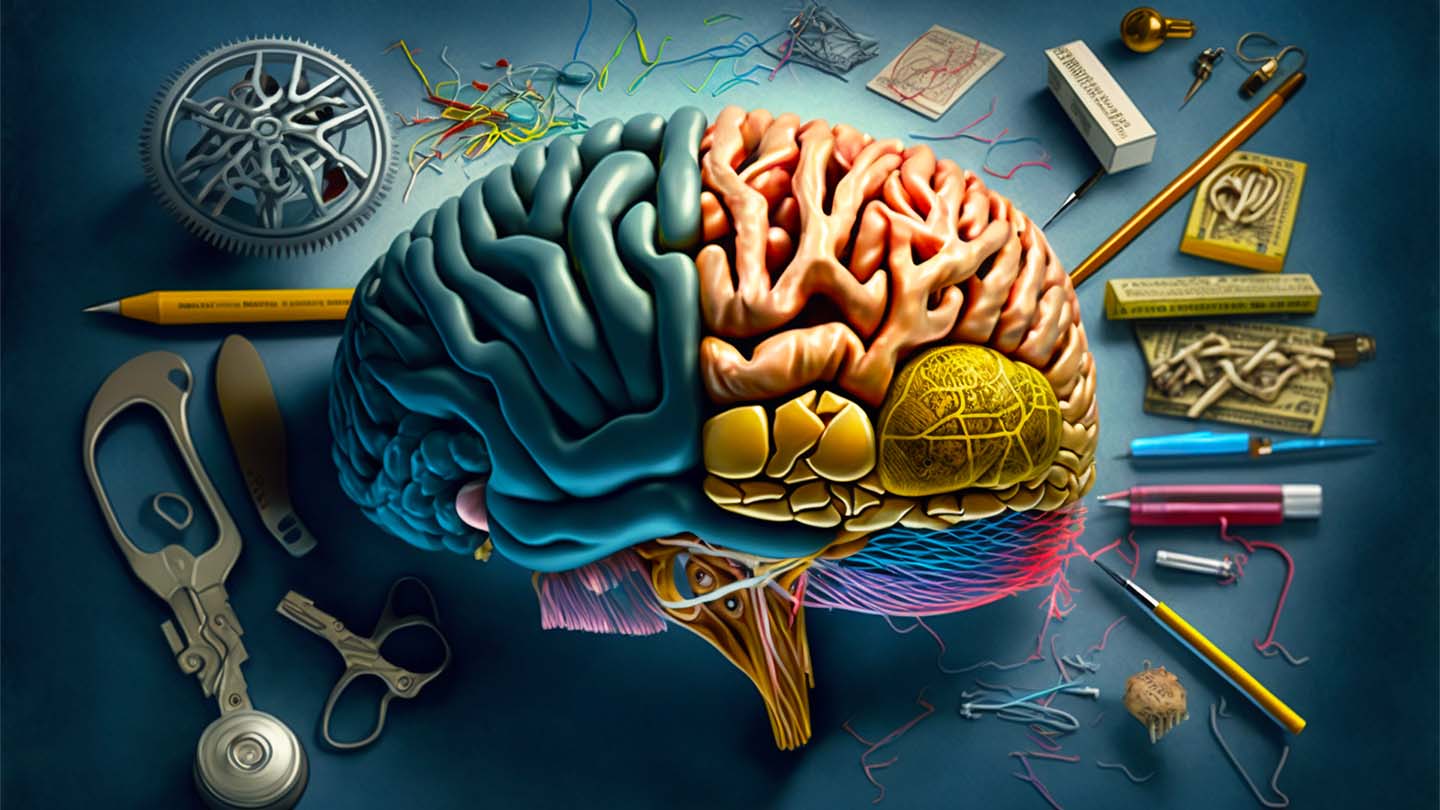
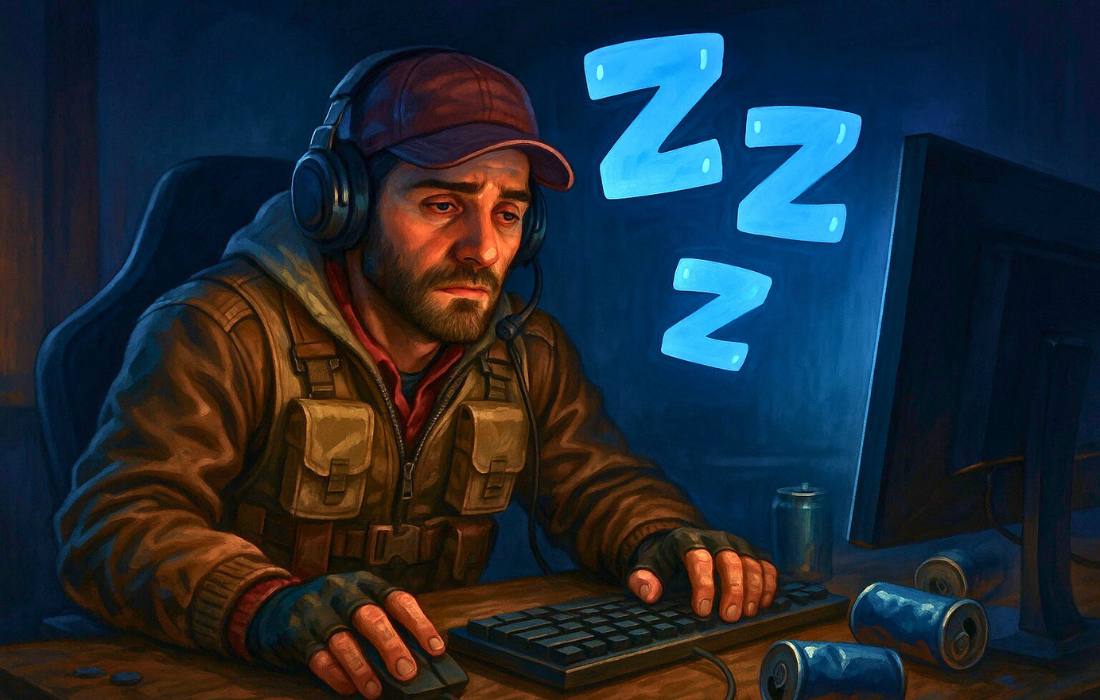
As competitive gamers, it’s tempting to game late into the night, whether you’re grinding for in-game currencies, aiming for a higher rank, or rage-quitting in Counter-Strike. However, gaming for hours without rest can significantly impact your performance, mental health, and physical well-being.
Here’s why you should rethink those all-nighters and why sleep and balance are key to improving your CS performance.
1. Sleep Deprivation and Performance Decline
While gaming can be exciting, staying up all night harms your cognitive abilities, especially crucial Counter-Strike.
Slower Reaction Time
CS demands fast reflexes. Lack of sleep slows your reaction time, causing you to miss shots or take too long to respond in high-pressure situations. Your performance will drop, especially when trying to snap to targets or track fast-moving opponents.
Decreased Focus and Awareness
Sleep deprivation compromises concentration and situational awareness. In CS2, you need to be alert, watch for enemy movement, and coordinate with teammates. Without enough rest, your ability to keep track of the game diminishes, leading to missed opportunities and poor tactical decisions.
Poor Decision-Making
Tired players tend to rush into decisions or fail to think through their strategies. In Counter-Strike, choosing when to push, save, or strategize with your team can make or break a round. Gaming while exhausted increases impulsivity, which can lower your chances of winning.
2. Mental Health Impact
Extended gaming sessions not only affect your gameplay but can also take a toll on your mental health.
Increased Stress
The pressure to win and maintain a high rank can become overwhelming, especially when you’re sleep-deprived. Fatigue magnifies stress, leading to frustration and anxiety, which negatively impacts your decision-making in Counter-Strike. The more stressed you are, the harder it becomes to play calmly and make rational choices.
Mental Fatigue and Burnout
Constant gaming without sufficient breaks or sleep leads to mental exhaustion, making it harder to stay motivated or focused on improving your skills. Counter-Strike is mentally demanding, and playing when fatigued can cause burnout, leaving you feeling disconnected from the game and less interested in playing.
Mood Swings and Toxicity
Lack of sleep can cause irritability and mood swings. In competitive games like CS2, where emotions can run high, being tired can lead to outbursts or unnecessary conflicts with teammates. Sleep is key to maintaining emotional control and keeping the fun alive.
3. Physical Consequences
It’s not just your mind that suffers; your body also feels the effects of staying up late gaming.
Eye Strain and Discomfort
Gaming for extended hours without proper breaks causes eye strain, dryness, and even headaches. This discomfort distracts from the game, making it harder to focus on important details. Proper lighting, a comfortable chair, and regular breaks can help ease these issues.
Poor Posture and Back Pain
Hours of gaming without good posture can lead to back and neck pain. Sitting in one position for too long without stretching can cause muscle stiffness and discomfort, which adds to the physical toll of gaming all night.
4. Balancing Gaming and Rest for Better Performance
To improve your Counter-Strike skills and enjoy the game, it’s important to find a balance between gaming and rest.
Set Time Limits
Limit your gaming sessions to 2-3 hours at a time with regular breaks. This helps avoid burnout and keeps your mind fresh for the next round.
Prioritize Sleep
Getting 7-8 hours of sleep is essential for maintaining focus and reaction time. Rest is crucial for both physical and mental recovery, ensuring that you’re at your best when you return to Counter-Strike.
Hydrate and Stretch
Staying hydrated and taking breaks to stretch your muscles during gaming sessions will help prevent physical strain and improve your overall comfort.
Why You Shouldn’t Game All Night
Gaming all night might seem like a shortcut to grinding for Val Points or improving your skill, but it’s detrimental to both your performance and mental well-being. Lack of sleep, stress, and physical discomfort all contribute to a decline in your performance. By balancing gaming with proper rest and recovery, you’ll improve your focus, reaction times, and overall enjoyment of the game.
You might also like
Does gaming before bedtime ruin your sleep?
How reduced sleep affects your cognitive gaming performance
Perfect Morning Routine for Better Energy