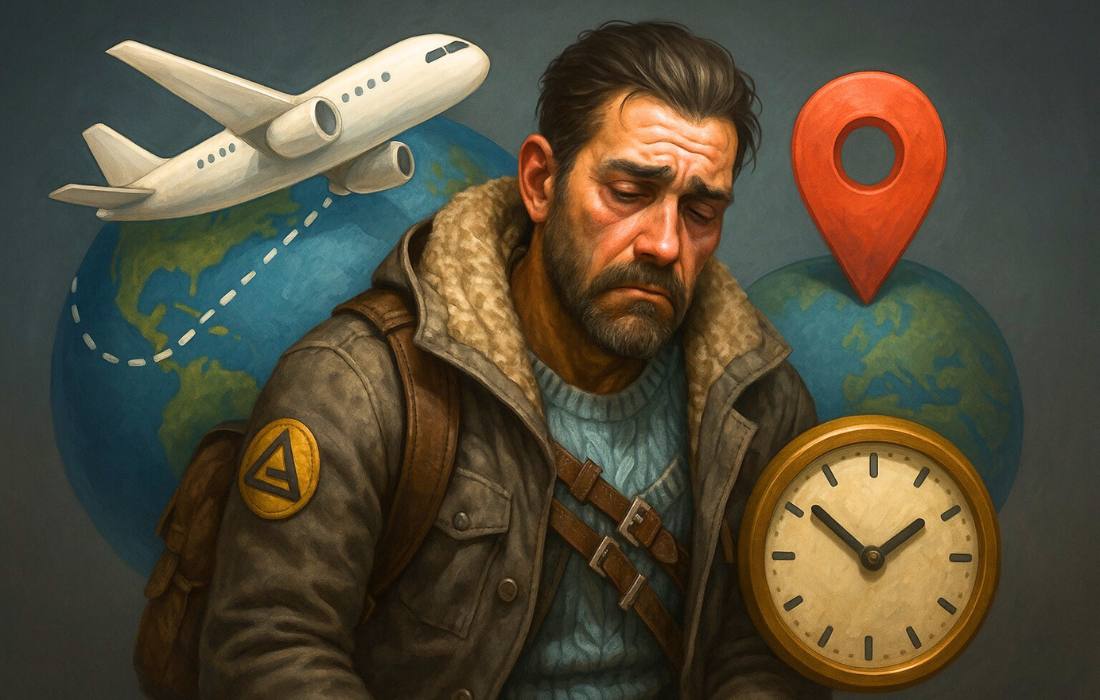
Imagine standing on stage after a huge international victory. The crowd is roaring, cameras are flashing, adrenaline is pumping — and just a few hours later, you’re crammed into an airplane seat on the way to the next tournament. No time to celebrate the success, no real chance to recover. Just another hotel room, another time zone, and another demand to perform at the highest level.
This was reality for many professional Counter-Strike players in 2018 and 2019. In a single year, there were 54 international tournaments. For the top teams, that meant nearly 200 travel days annually — two-thirds of the calendar filled with airports, jet lag, short nights, and poor sleep.
Why Traveling Is Hard to Avoid
LAN tournaments remain the ultimate stage. Players compete face-to-face, under the same technical conditions, in front of an audience that creates a completely different kind of pressure compared to playing online from the comfort of their bedrooms. And it’s here that victories really matter — for rankings, sponsors, and not least the prize pools that can determine whether an organization survives financially.
That makes it almost impossible for teams to decline an invitation. Whether the event takes place in New York, Malmö, Beijing, or Texas, the bags get packed and the flights get booked.
One of the more extreme examples came in 2019, when Astralis and Evil Geniuses went straight from the final at DreamHack Malmö to the airport to catch a flight to ESL One in New York. They had barely left one time zone before a completely new one demanded their full attention.
When Jet Lag Affects Performance
For an ordinary vacation traveler, jet lag is mostly just an annoyance. For a Counter-Strike pro, it can mean the difference between a championship run and an early exit in the group stage.
At its core, jet lag is a disruption of the body’s circadian rhythm — what researchers call circadian misalignment. When sleep falls apart, so do the skills that matter most in Counter-Strike: focus, reaction speed, and sharp decision-making under pressure.
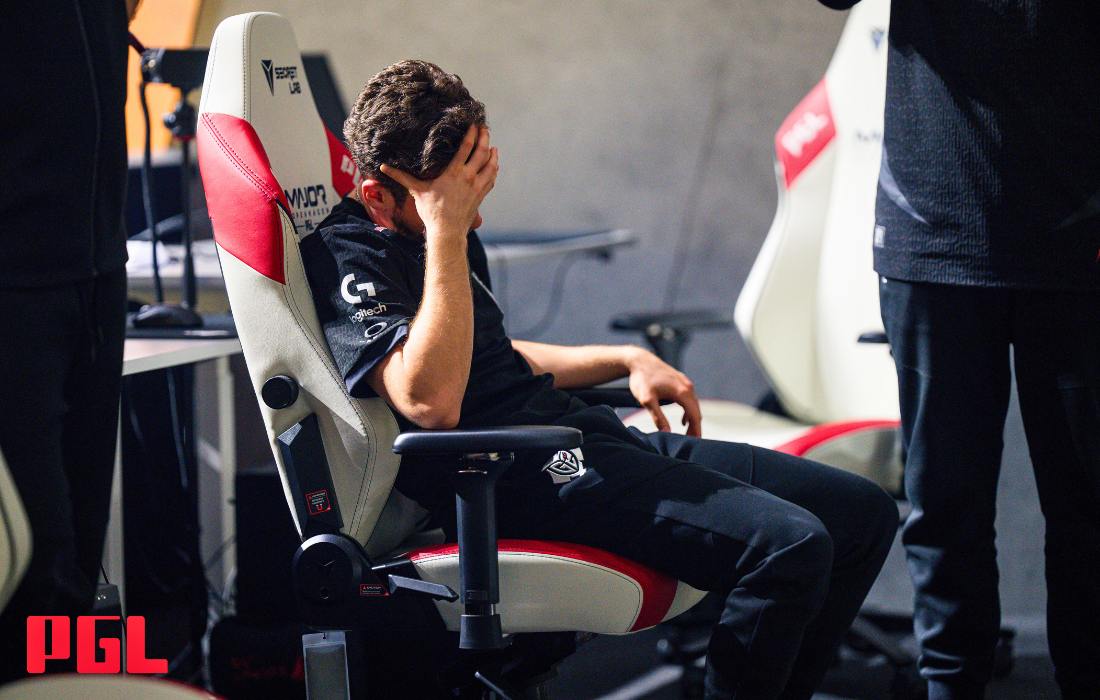
After DreamHack Malmö in 2019, six teams traveled directly to ESL One in New York. Several players described feeling drained and unfocused during matches. Favorite teams were knocked out by lower-seeded opponents, and the impact was hard to ignore. One player openly admitted they couldn’t keep up anymore — the constant travel, jet lag, and lack of recovery had taken a toll on both body and mind.
Vulnerability and Individual Differences
Jet lag doesn’t hit everyone in the same way. Age, individual sleep-wake patterns, and travel experience all play a role. Some players adapt quickly to a new time zone, while others need several days to recover.
It’s also worth remembering that many CS players are very young — often teenagers or in their early twenties. Research suggests that the brain is still developing at that age, which may make them more vulnerable to sleep disturbances. Yet very few players have real knowledge of how to manage jet lag effectively. For most, it becomes a matter of just “pushing through” rather than having a strategy.

What Can Be Done?
Traditional sports have long experimented with strategies to minimize jet lag, and many of these approaches are now being discussed in esports as well:
- Gradually adjusting sleep schedules before departure
- Using timed light exposure to help reset the circadian rhythm
- Regulating caffeine and fluid intake
- Taking melatonin or other sleep-regulating aids
There are many possible solutions, ranging from the simple to the more advanced. Teams could establish consistent routines around sleep and diet, schedule short workout sessions during travel, or use apps and wearables to monitor sleep, heart rate, and recovery. More ambitious organizations might invest in sleep specialists, physiotherapists, and sports psychologists — something that is already standard in many traditional sports.
In the end, there are limits to what players can do on their own. The dense tournament schedule, sponsor obligations, and financial realities make it difficult to prioritize rest. Several experts argue that a more sustainable tournament structure could be just as important as individual hacks or quick fixes.
Final Thoughts
Behind the bright lights, the million-dollar prize pools, and the iconic moments lies an opponent no headshot can eliminate: jet lag. For players, it’s not just fatigue — it’s a barrier that can decide the outcome of a tournament or worse, their entire career.
If esports is to be more than an endless race between airports and arenas, the industry needs to take player well-being more seriously.
You might also like

Does gaming before bedtime ruin your sleep?

Level Up Your Sleep: Healthy Sleep Habits for Gamers

Perfect Morning Routine for Better Energy