
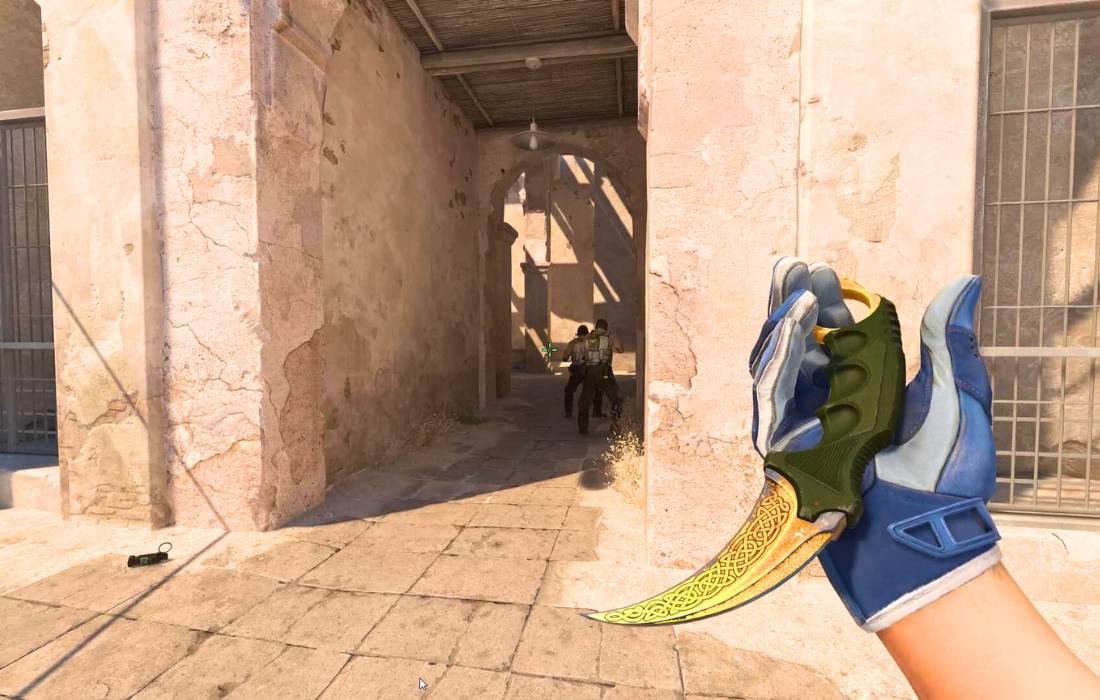
When it comes to first-person shooters, there’s always been one battlefield outside the maps themselves: customization. Players want to stand out, whether it’s by rocking flashy designs, rare patterns, or limited-time exclusives. Two titans dominate this cosmetic arms race—Counter-Strike and Call of Duty. But when you dig deeper, whose skins truly deliver the better experience? Let’s break it down.
The Origins of Weapon Skins
Counter-Strike: Global Offensive was the pioneer in transforming gun skins into a full-blown economy. What started in 2013 as an update quickly spiraled into a multi-billion-dollar ecosystem. The allure was simple: every skin had value, rarity, and even a wear level, giving players a reason to flex their inventory beyond just gameplay. Some rare cases like the Dragon Lore AWP became cultural icons, selling for thousands of dollars.
Meanwhile, Call of Duty has long embraced customization, but its approach is more tied to progression systems and battle passes. Rather than operating as a player-driven economy, Call of Duty skins come in bundles, events, or unlockable tiers. They’re flashy, over-the-top, and often push the boundaries of realism. Whether you’re wielding a neon-drenched assault rifle or a sci-fi inspired sniper, Call of Duty delivers spectacle at every turn.
The Economy vs. The Experience
The biggest difference between the two is how skins function within their ecosystems. In Counter-Strike, skins are not just cosmetics; they’re assets. You can trade, sell, or even gamble them. The rarity of a skin can make it feel like holding a piece of history. This system rewards both collectors and investors, adding layers of meaning beyond the game itself.
Call of Duty skins, on the other hand, are more about immediate gratification. You buy a bundle, you get exactly what’s inside—no randomness, no market fluctuations. This makes it accessible for players who simply want a specific look without wading through an unpredictable marketplace. It’s a system built for consistency rather than rarity. For many, that’s a win, but for others, it feels less thrilling compared to unboxing a rare Counter-Strike drop.
The Style Factor
Counter-Strike skins tend to stay somewhat grounded. Even the most flamboyant designs—psychedelic AK-47s or fiery knives—retain a certain aesthetic balance. They still look like weapons you’d reasonably see in a tactical shooter, which keeps immersion intact.
Call of Duty skins throw immersion out the window in the best way possible. Think anime-inspired wraps, skeleton-themed loadouts, or guns that look like they were pulled straight from a cyberpunk fever dream. The creativity is unmatched, and for players who want their weapons to feel like digital art pieces, Call of Duty reigns supreme.
Which One Wins?
At the end of the day, the answer depends on what you value most. If you’re a collector who thrives on the thrill of rare finds, trading markets, and showing off a weapon that feels truly one-of-a-kind, Counter-Strike has no equal. The economy itself adds stakes to every skin you own.
If, however, you prefer wild creativity, consistent access, and an endless carousel of fresh designs, Call of Duty skins offer a more reliable and visually striking experience. They might not carry long-term value, but they’ll always give you that instant wow factor.
Bottom Line
Both Counter-Strike and Call of Duty excel at customization, but in very different ways. Counter-Strike makes skins feel like investments, while Call of Duty makes them feel like pure fun. Whether you’re flexing a factory-new Karambit or rocking a neon-coated M4 in CoD, one thing is certain: customization has become as important as gameplay itself. And when you’re ready to stock up on your next big gaming adventure, digital marketplaces like Eneba are the perfect place to start.